How fast can you deliver after a hurricane or flood?
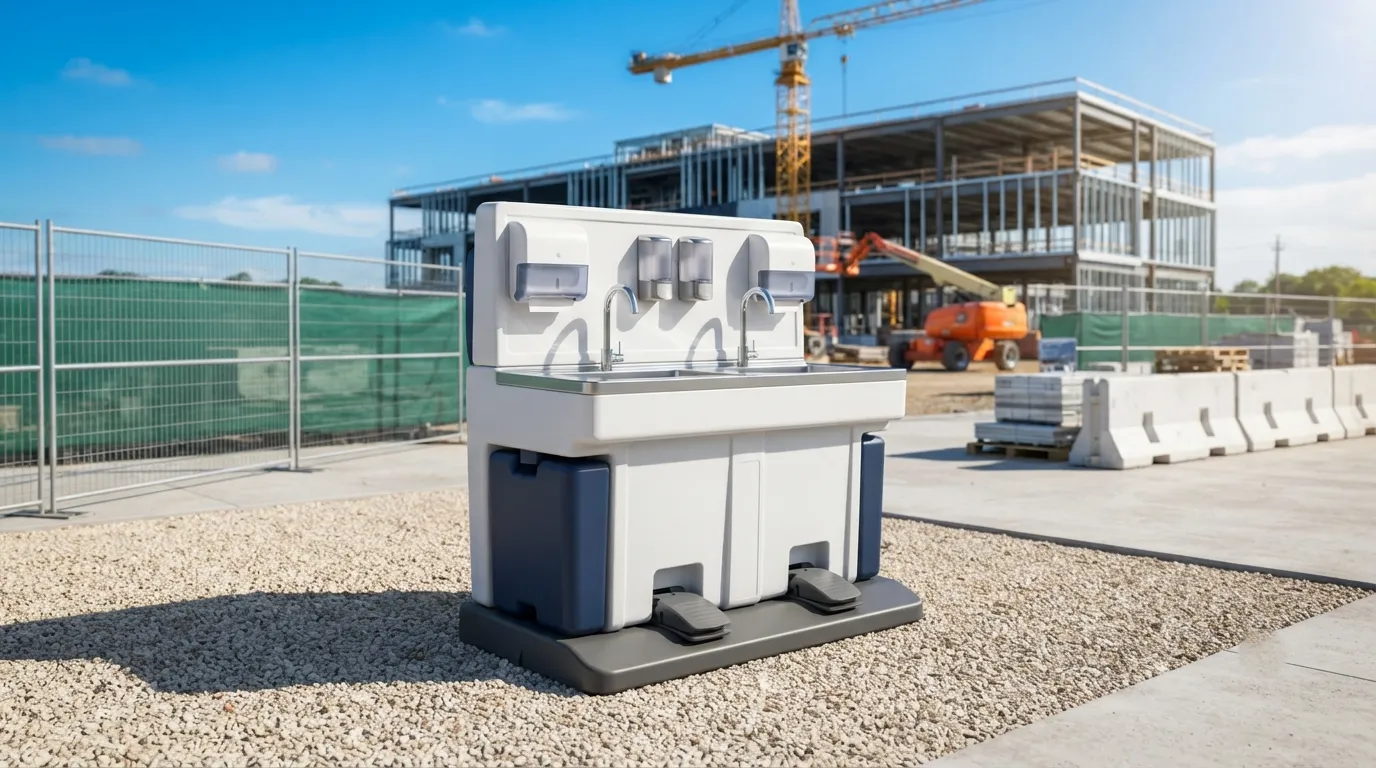
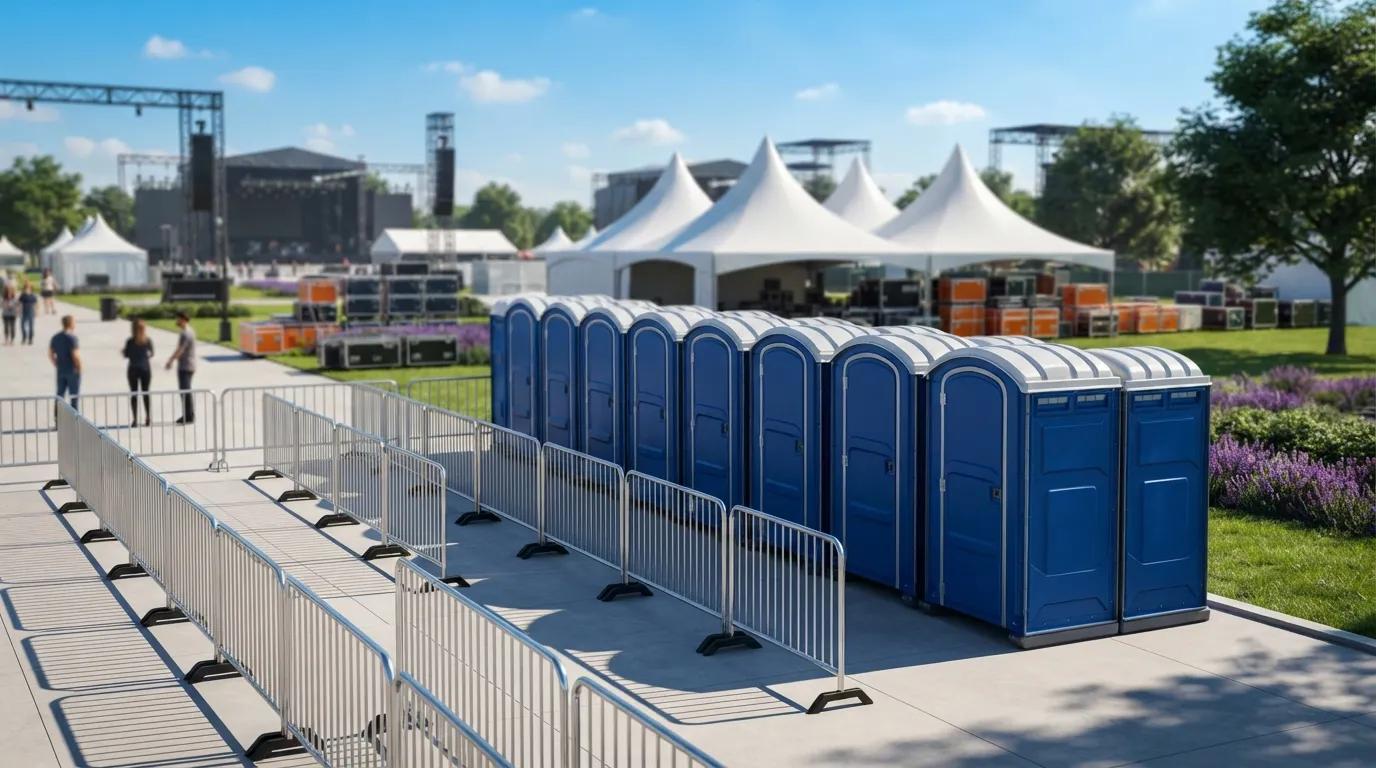
Speed depends on road conditions and how many units you need, but emergency response is what this stock exists for. Fort Lauderdale sits low and close to the coast, and after a named storm the roads into Oakland Park (3.2 miles north) or Pompano Beach (8.4 miles north) can be the difference between a same-day drop and a next-day one. We do not promise an hour. We do promise you go to the front of the queue when a shelter, a command post, or a displaced neighborhood calls. Standard units run $100 to $350 a day depending on order size and site access, and that porta potty rental cost page breaks down what drives the number up or down. For a longer disaster window, a monthly porta potty rental usually beats paying day rates for six or eight weeks straight. Shelters and staging areas often need both standard porta potty rental units for volume and at least one ADA accessible porta potty per ADA Standards section 213.2, which requires 5 percent of a cluster to be accessible with never fewer than one unit. We also stock handwashing station rental units, because a toilet without a working sink next to it is half a solution during a public health event.
What do FEMA and OSHA require for temporary sanitation?
OSHA 1926.51(c) sets the ratio for construction-style work sites: one toilet for 20 workers or fewer, then one seat and one urinal per 40 up to 200 workers. Disaster response crews, debris haulers, and utility repair teams fall under that standard the same as any job site, so a staging yard with 60 workers needs more than a single unit tucked behind a truck. If your crew is doing paint, coating, or pesticide work as part of storm cleanup, OSHA 1926.51(f)(1) also requires washing facilities for that specific contaminant exposure, not general handwashing. 29 CFR 1910.141(d)(2) requires soap and towels or a hand-drying device at any washing station; hand sanitizer alone does not satisfy that rule. Our handwashing requirements page walks through what that looks like on-site. For placement questions, especially staging near a right of way while roads are still blocked or under repair, confirm with the City of Fort Lauderdale before you set units down; we have not verified a specific placement ordinance and will not guess at one. The porta potty permit requirements page has our general guidance, and our porta potty placement guide covers ground stability and clearance basics that matter even more after flooding softens the ground.
Do you handle septic and gray water during a disaster too?
Yes. Flooding backs up septic systems and floods lift stations, and pumping is often the first call after the sanitation call. A residential septic tank is typically pumped every 3 to 5 years under normal use, but storm surge or heavy rain can force an unscheduled pumping well outside that cycle. Our septic pumping service page covers standard visits, and emergency septic service is built for exactly this kind of unscheduled call. Septic pumping runs $150 to $300 for a day visit in our measured pricing, with a lower weekend rate available for smaller jobs. If a restaurant or shelter kitchen floods, grease interceptors need attention too once fats, oils, grease, and solids reach 25 percent of the liquid depth, and grease trap pumping handles that. For sites with no working plumbing at all, a holding tank rental can bridge the gap until a septic system or sewer connection is repaired. Debris cleanup usually runs alongside sanitation work, so we also coordinate roll-off dumpster rental delivery, and a 30 yard dumpster rental is a common size for storm debris once a driveway or lot clears enough for the 60 feet of straight clearance a delivery truck needs.
Frequently Asked Questions
How many portable toilets does a shelter need?
It depends on population, but OSHA 1926.51(c) is a reasonable floor: one toilet per 20 people, more as headcount rises past 20 and 200. A Red Cross-style shelter housing 150 people should plan for several units plus at least one ADA-accessible unit under ADA Standards 213.2. Use our how many porta potties do i need guide to size it.
Can you deliver to a location with no clear address yet?
Yes, staging areas and command posts often lack a formal address right after a storm. Give us the nearest cross street or landmark and we will dispatch from there. This comes up constantly in Fort Lauderdale after tropical systems, and our emergency porta potty rental team handles it regularly.
What if the site floods after units are delivered?
Units are meant to sit on stable ground per ADA Standards 302.1, so flooding is a real problem. Call us and we will reposition or swap units once water recedes enough for a truck to reach the site safely. Do not attempt to move a full tank yourself.
Do you provide handwashing stations without a toilet order?
Yes, standalone handwashing stations are common at food distribution points and medical triage sites. They come with soap and towels per 29 CFR 1910.141(d)(2). See portable sink rental for a self-contained option that needs no external water hookup.
How long can we keep emergency units on-site?
As long as the disaster response requires. Many clients start on a daily rate, then move to weekly or monthly porta potty rental pricing once it is clear the recovery will run past a few weeks. Call Fort Lauderdale Porta Pros to adjust your order as conditions change.
Next step
Get a delivery date
Tell us the address, the dates and the headcount. We size the order and confirm the route.